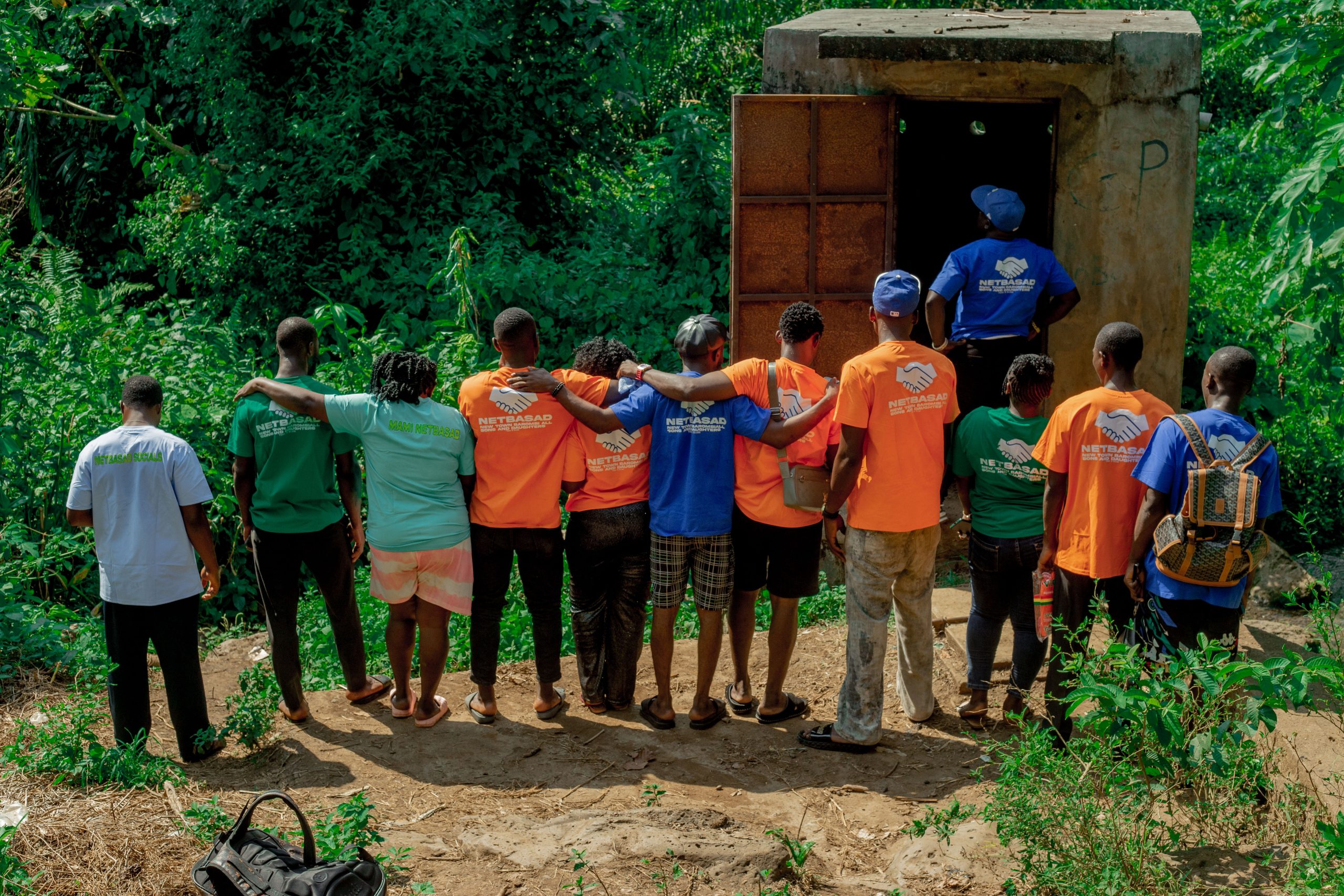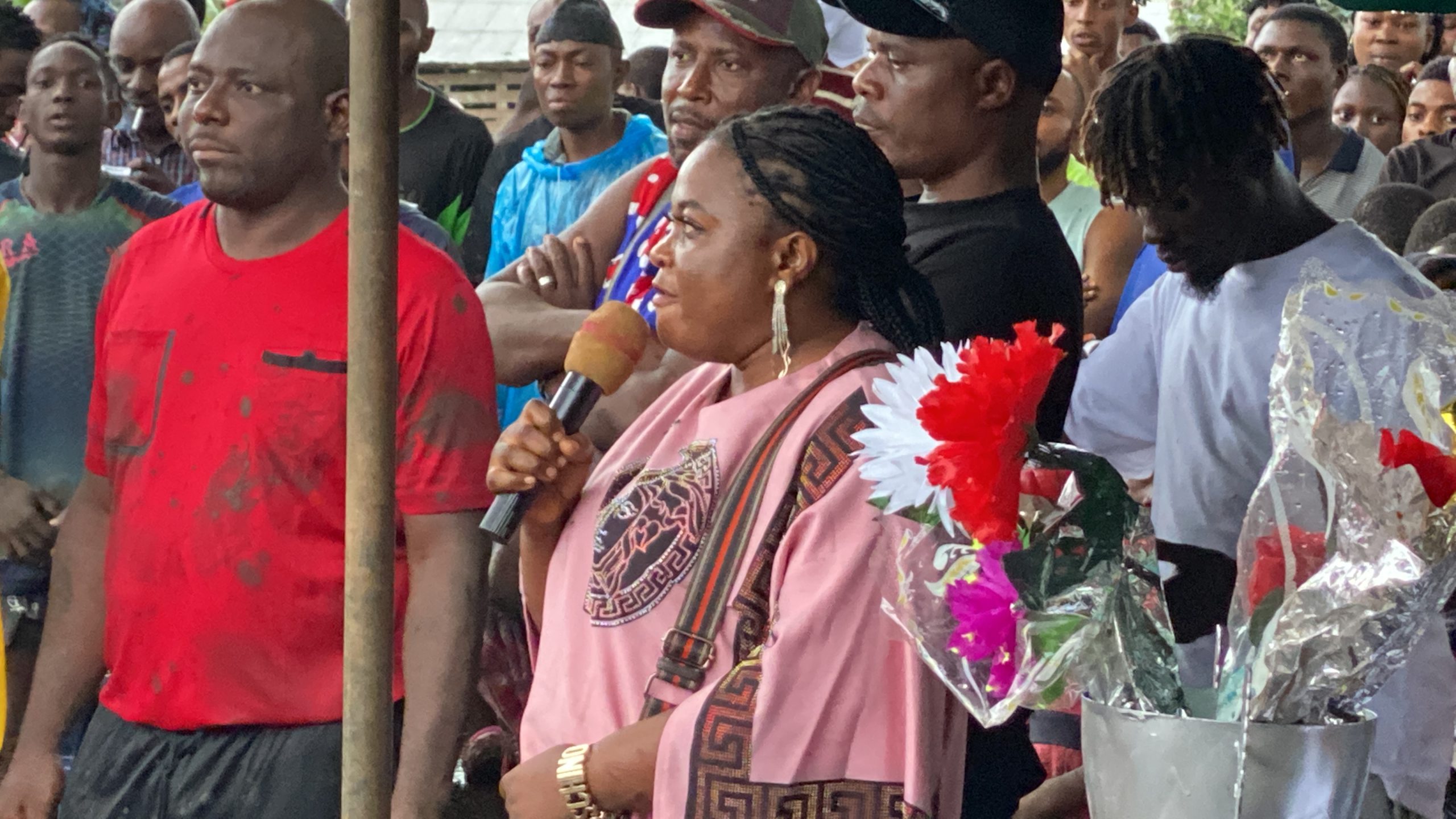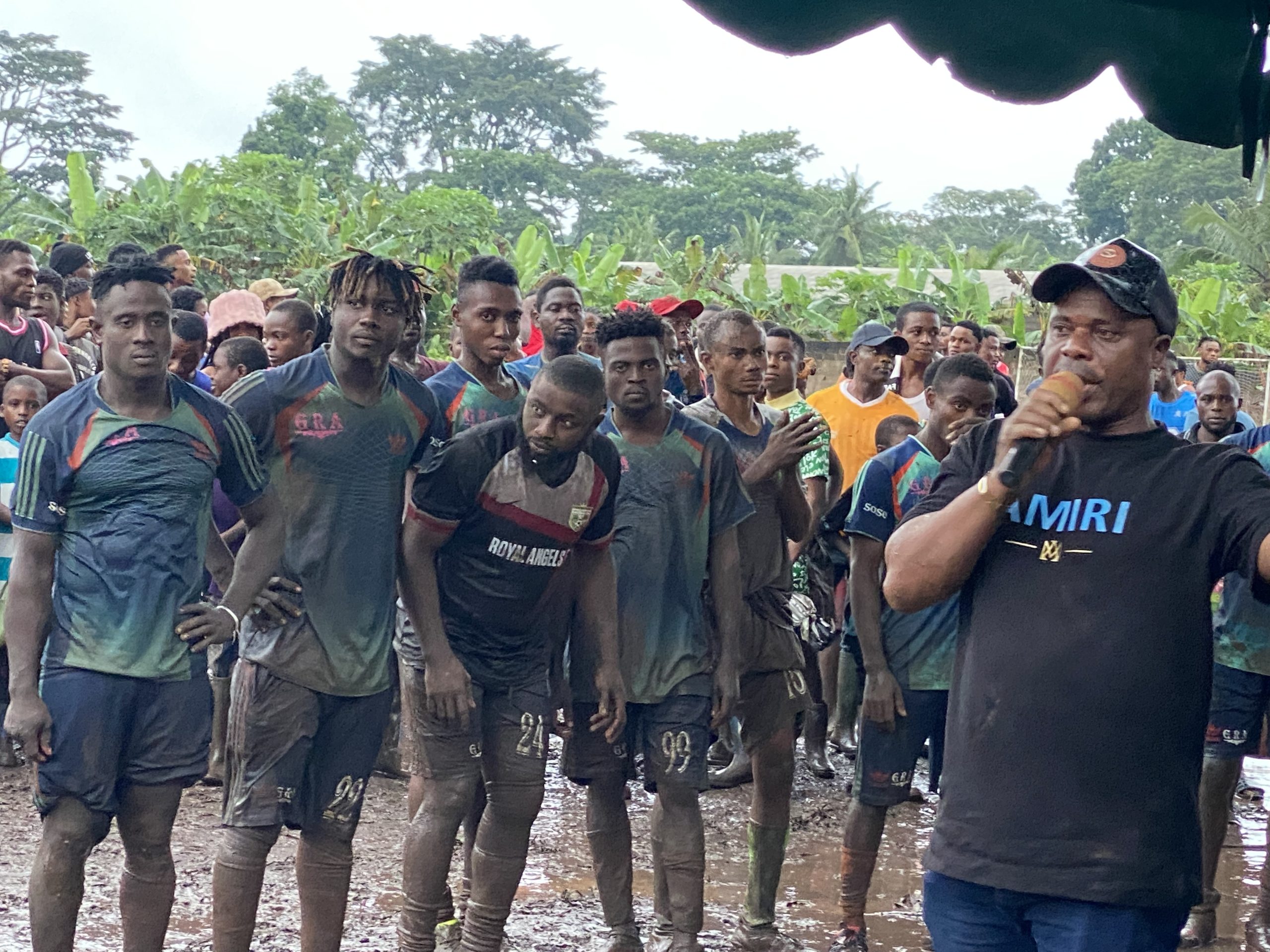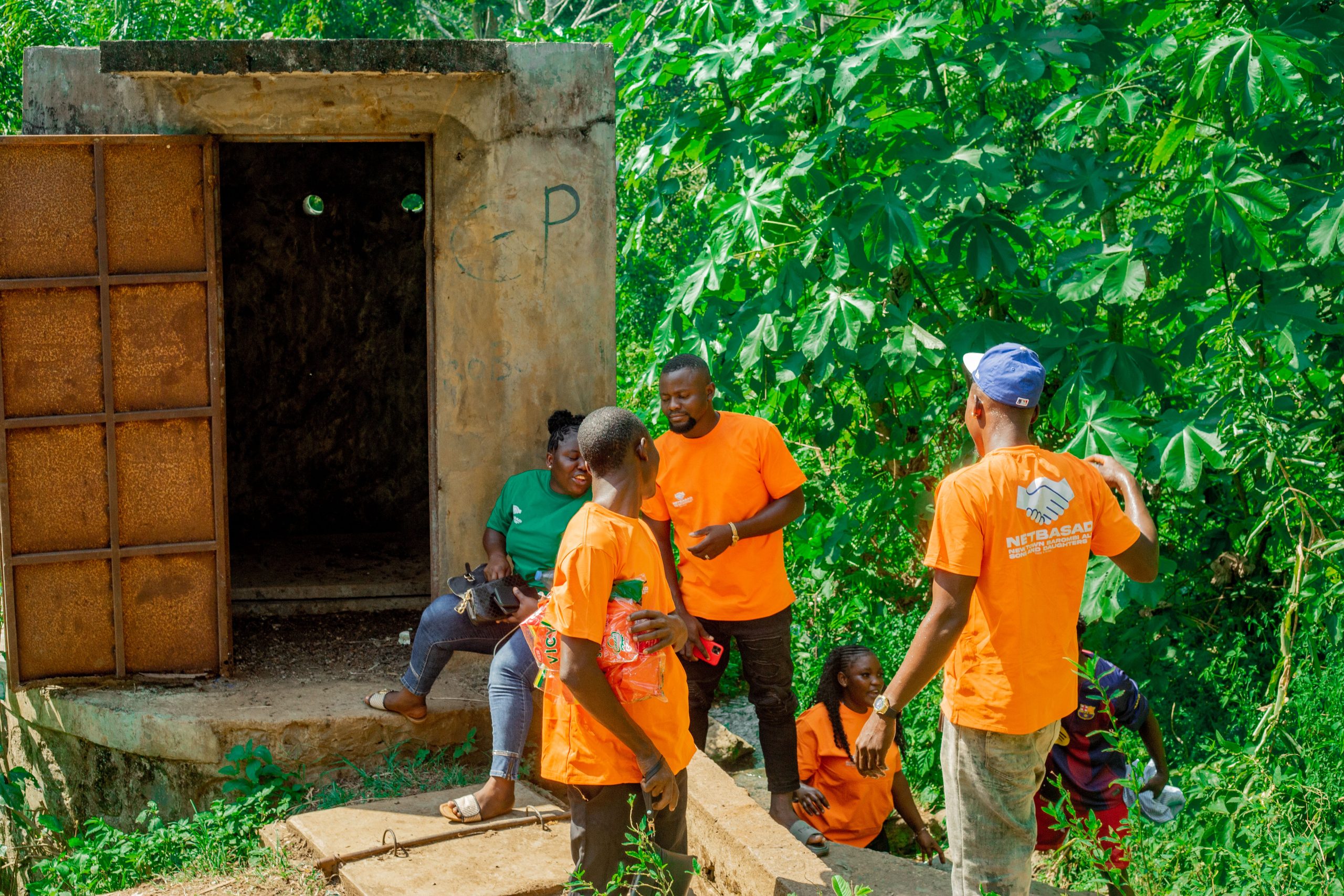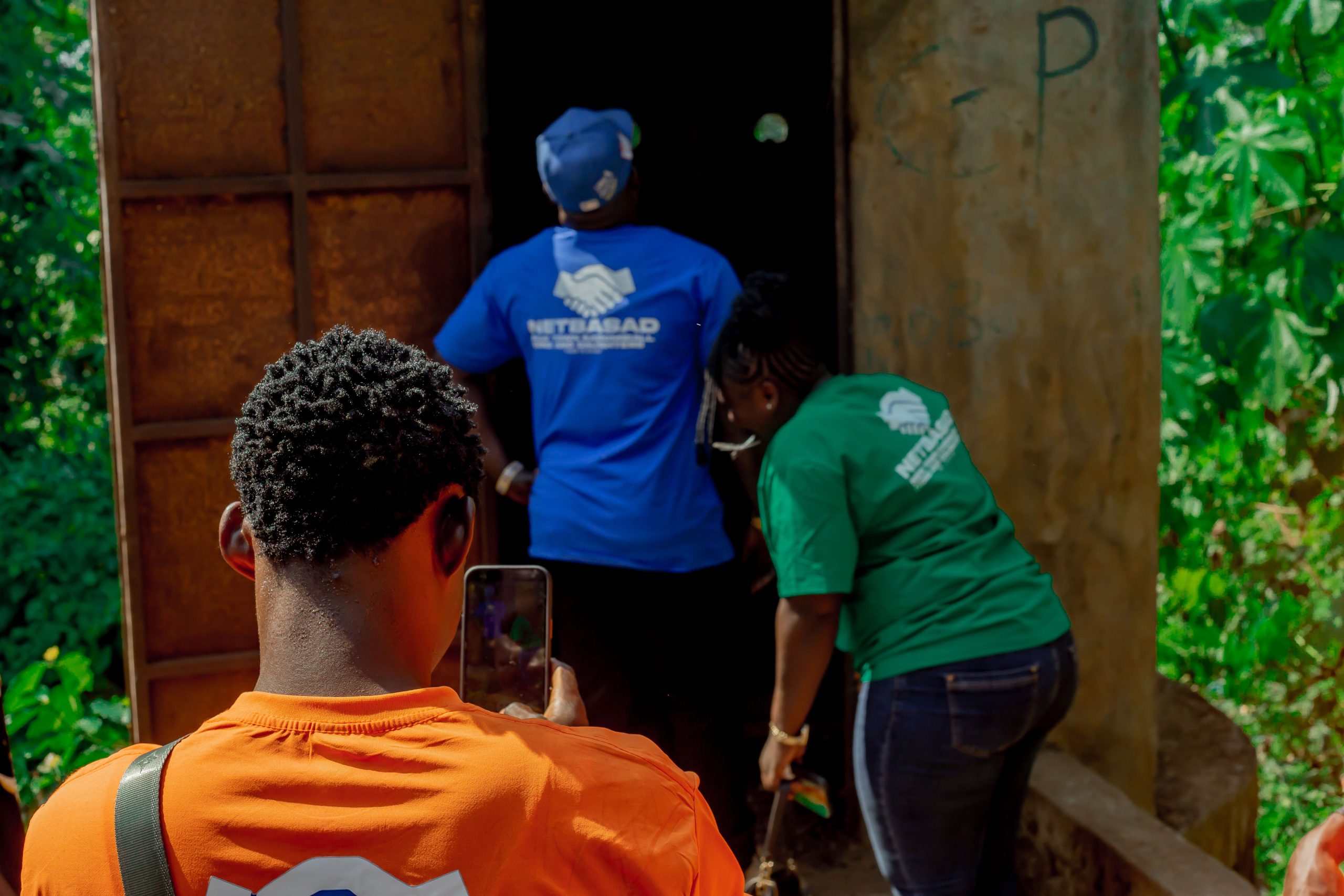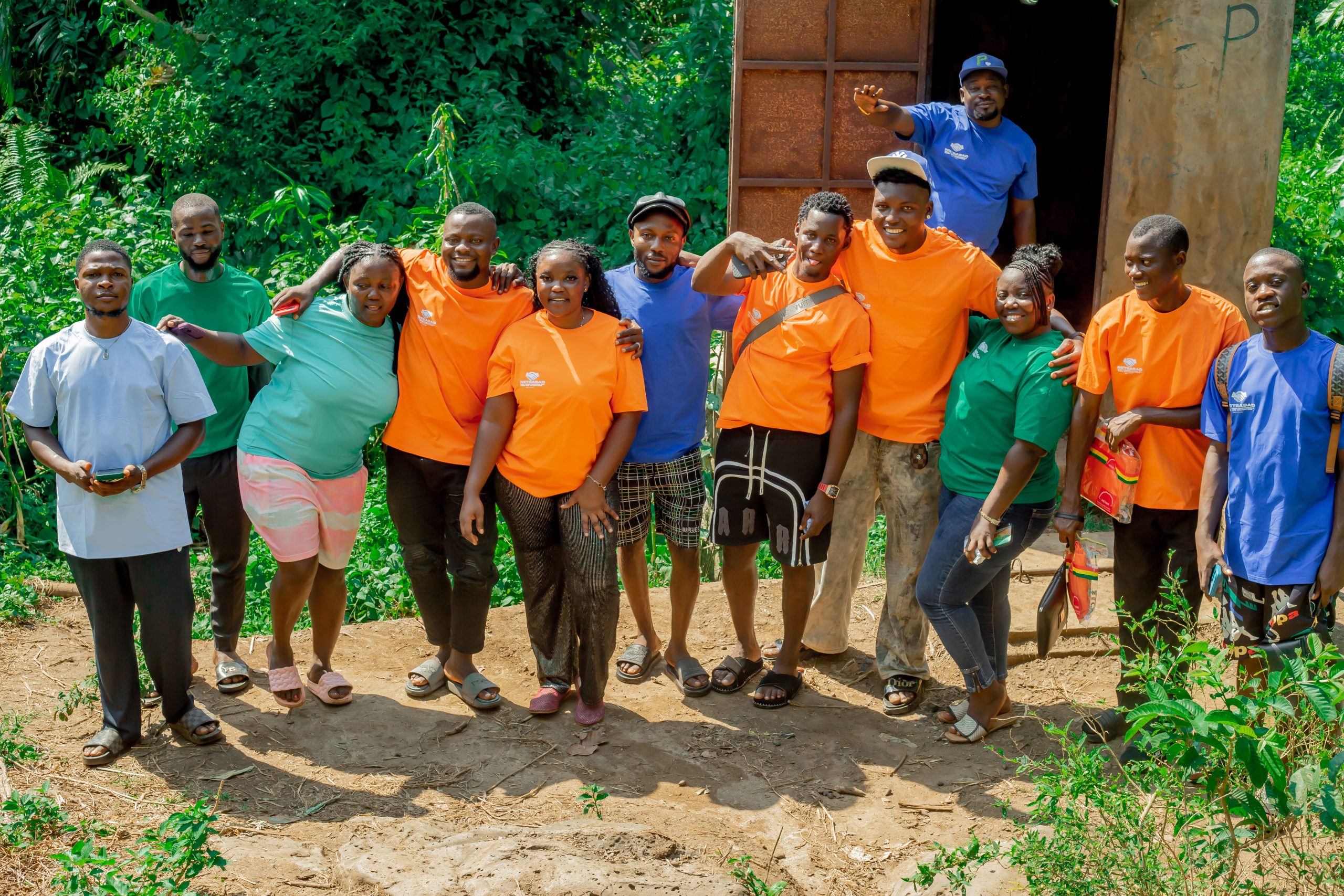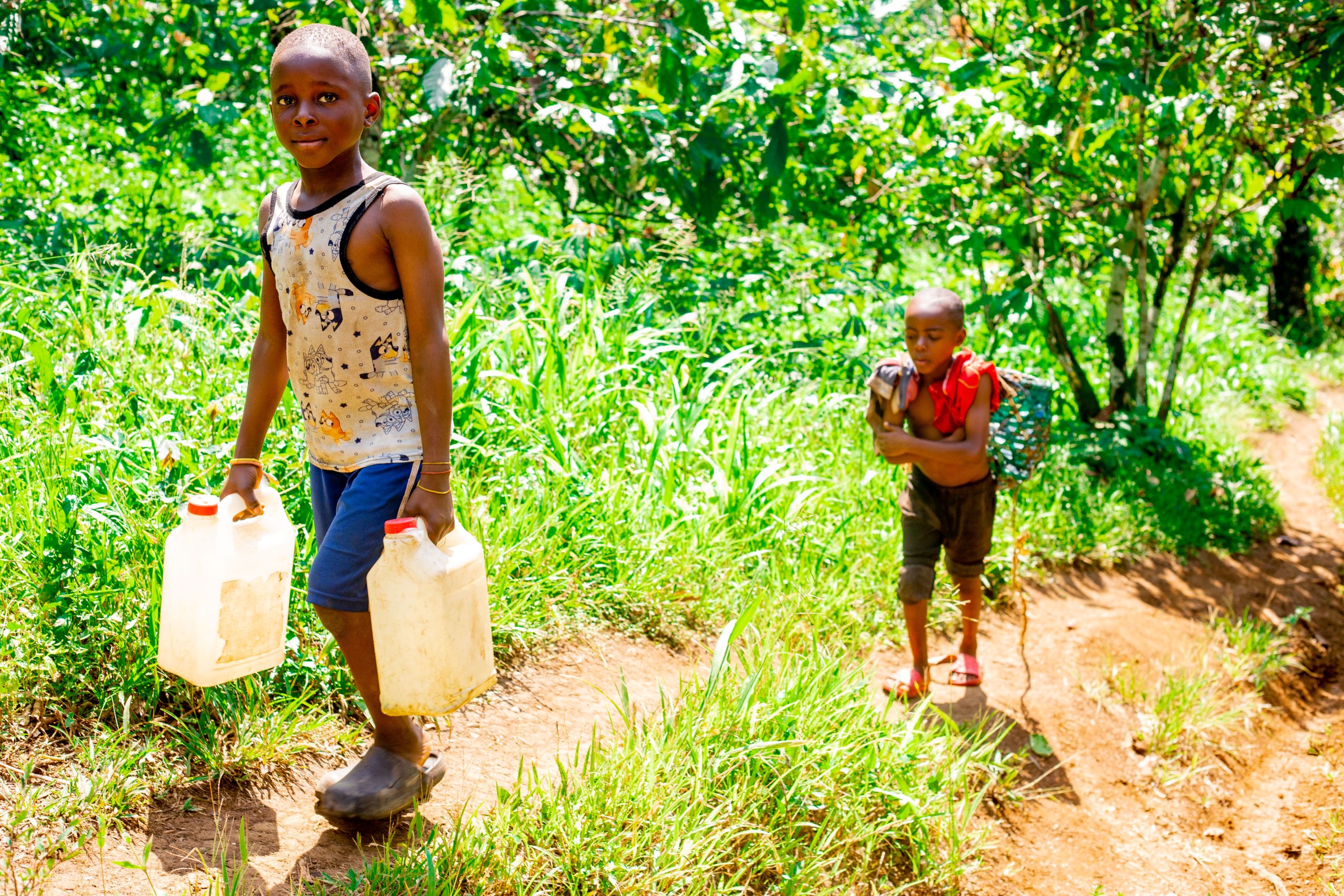
Welcome to Small Town, Big Hearts, a community-focused platform dedicated to shedding light on the untold stories of New Town Barombi — a humble neighborhood often overlooked, yet overflowing with resilience, culture, and love. We document real stories, real people, and real challenges faced by the residents of New Town Barombi, a small community with a powerful spirit. Even in the midst of neglect, limited resources, and lack of visibility, the people remain hopeful, hardworking, and deeply united.
A Diverse, Vibrant, and Growing Community in the Heart of Cameroon .New Town Barombi is a culturally rich village located in the Meme Division, within Mbonge Subdivision of the South West Region of Cameroon. Nestled between its neighboring communities—Bai Panya and Kotto Barombi—New Town Barombi stands as a symbol of unity, diversity, and resilience.
With an estimated population of 5000 inhabitants (2005 census), New Town Barombi is home to one of the most culturally diverse communities in the region. The village is made up of ethnic groups such as:
Oroko,Moghamo ,Wum ,Bakossi ,Kom ,Mbengwi ,Fang and many others.
These groups live together peacefully, creating a harmonious blend of cultures, languages, and traditions. Though many residents are migrants, the land’s original indigenous owners are the Bakundu people, whose heritage remains an important part of the village’s identity.
According to oral tradition, the earliest settlers of New Town Barombi migrated from Kotto Barombi. The village reportedly began with just two houses, located at what is now the entrance of the community. From this humble beginning, New Town Barombi has grown into a vibrant and dynamic settlement—though much of its early history remains undocumented and preserved mainly through oral storytelling.
The people of New Town Barombi are known for their strong work ethic. Farming is the main occupation, and nearly every household engages in agriculture, regardless of secondary professions such as:
Market trading ,ailoring ,Teaching ,Carpentry ,Building Handicrafts
Most residents combine their professions with farming, making agriculture the backbone of the local economy.
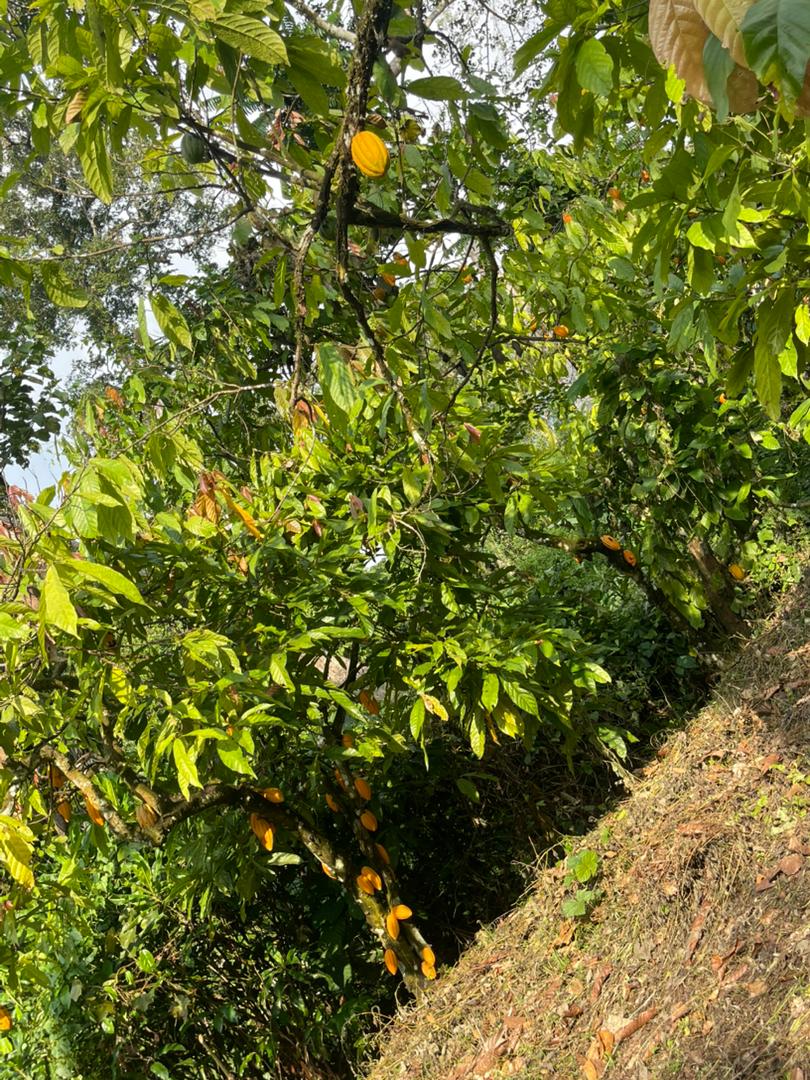
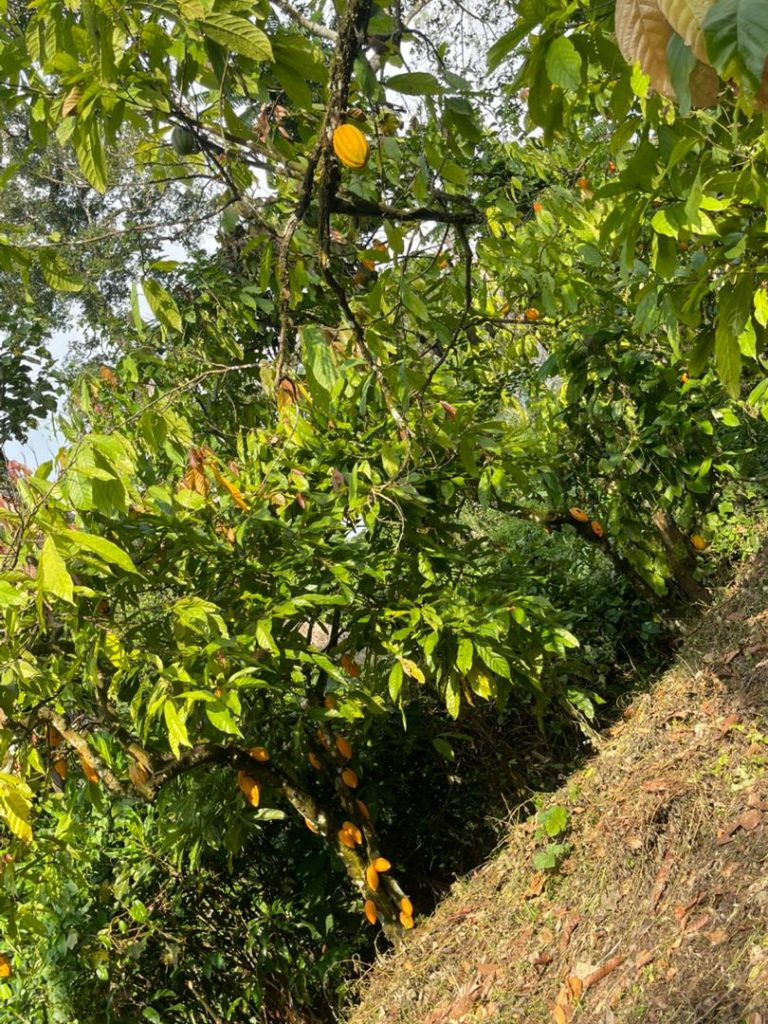
Blessed with rich coastal black soil and a tropical climate, New Town Barombi is ideal for farming. Our major crops include:
Cocoa ,Plantains ,Cassava ,Yams ,Vegetables & food crops
These crops not only support livelihoods but also contribute to the wider agricultural supply chain in the region.
New Town Barombi is a community with immense potential—rich in culture, blessed with fertile land, and driven by hardworking people. As efforts to document our history, mobilize our elites, and promote visibility continue to grow, we are committed to ensuring a brighter future for the generations to come.
According to oral tradition, the earliest settlers of New Town Barombi migrated from Kotto Barombi. The village reportedly began with just two houses, located at what is now the entrance of the community. From this humble beginning, New Town Barombi has grown into a vibrant and dynamic settlement—though much of its early history remains undocumented and preserved mainly through oral storytelling.
The people of New Town Barombi are known for their strong work ethic. Farming is the main occupation, and nearly every household engages in agriculture, regardless of secondary professions such as:
Market trading ,Tailoring ,Teaching ,Carpentry ,Building Handicrafts
Most residents combine their professions with farming, making agriculture the backbone of the local economy.
Blessed with rich coastal black soil and a tropical climate, New Town Barombi is ideal for farming. Our major crops include:
Cocoa ,Plantains ,Cassava ,Yams ,Vegetables & food crops
These crops not only support livelihoods but also contribute to the wider agricultural supply chain in the region.
New Town Barombi is a community with immense potential—rich in culture, blessed with fertile land, and driven by hardworking people. As efforts to document our history, mobilize our elites, and promote visibility continue to grow, we are committed to ensuring a brighter future for the generations to come.
Despite producing responsible, educated, and hardworking Cameroonians, New Town Barombi remains largely invisible in official national systems. Although it appears on the map of Cameroon, the village is not registered as an official locality in the national civil status system.
On digital platforms such as PASSCAM and IDCAM, neighboring villages like Bai Panya and Kotto Barombi appear in the system, but New Town Barombi does not. This absence affects everything from national identification procedures to school examination registrations.
Consequences of This Administrative Neglect
As a result of not being officially recognized:
The village lacks a health center
There is no secondary or high school
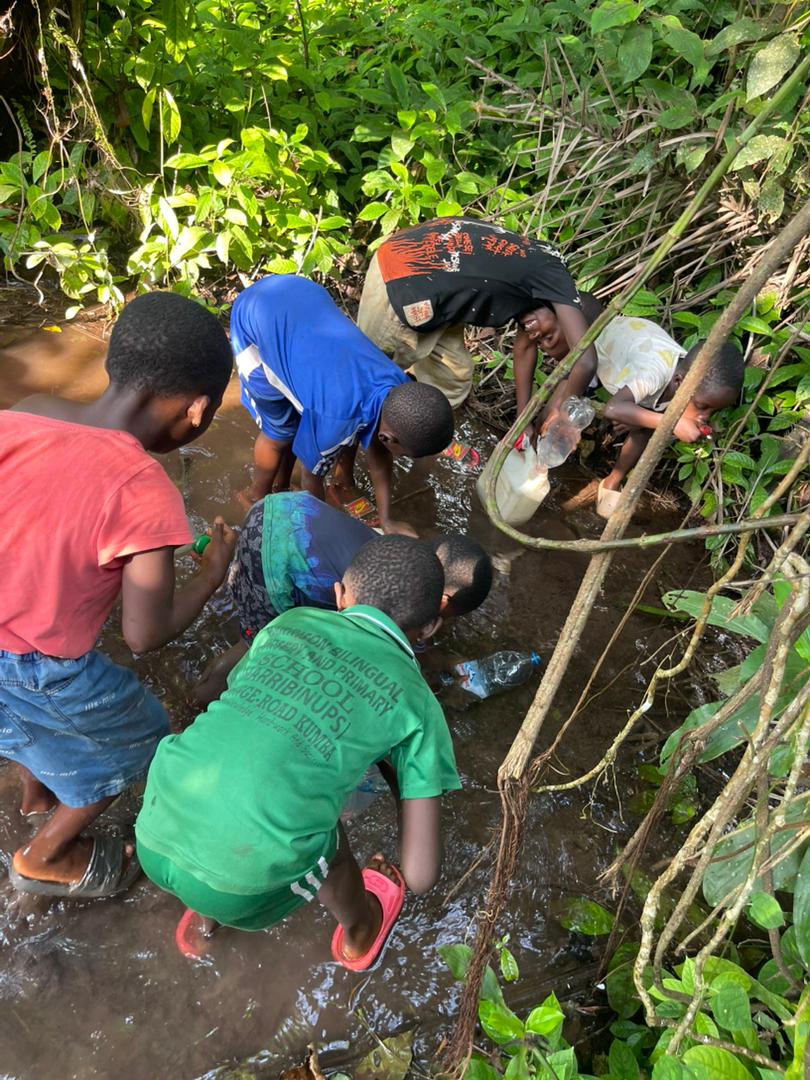
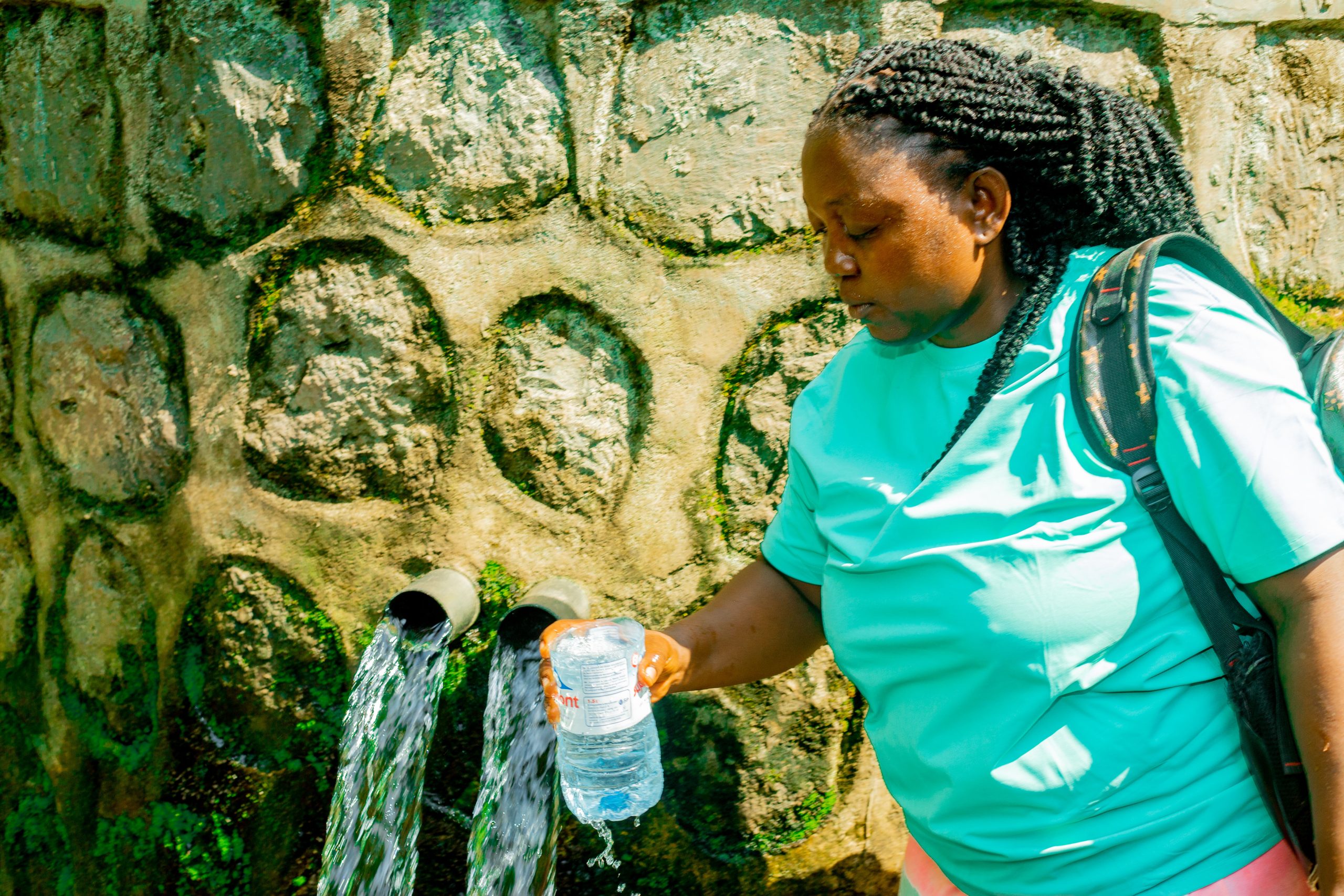
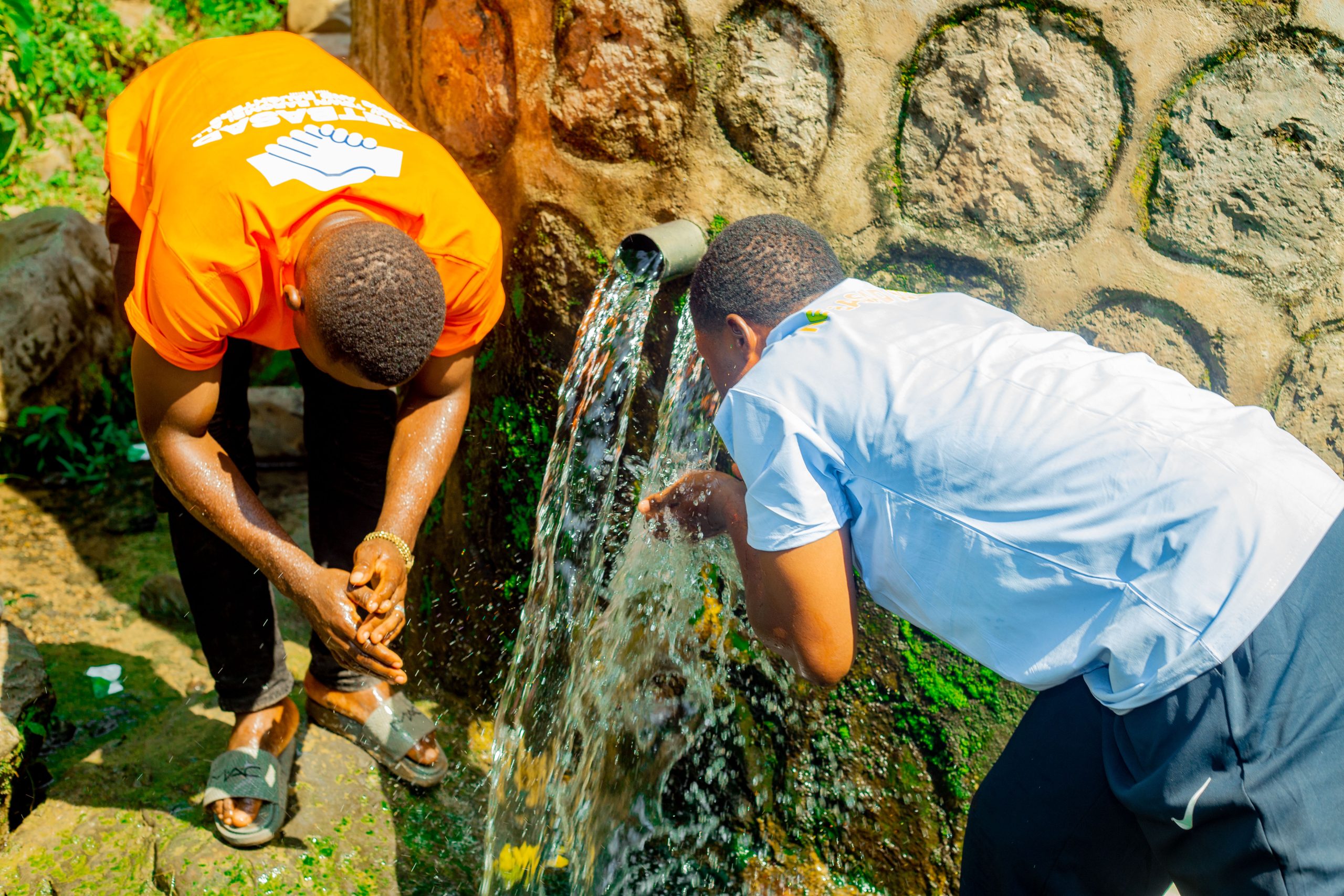
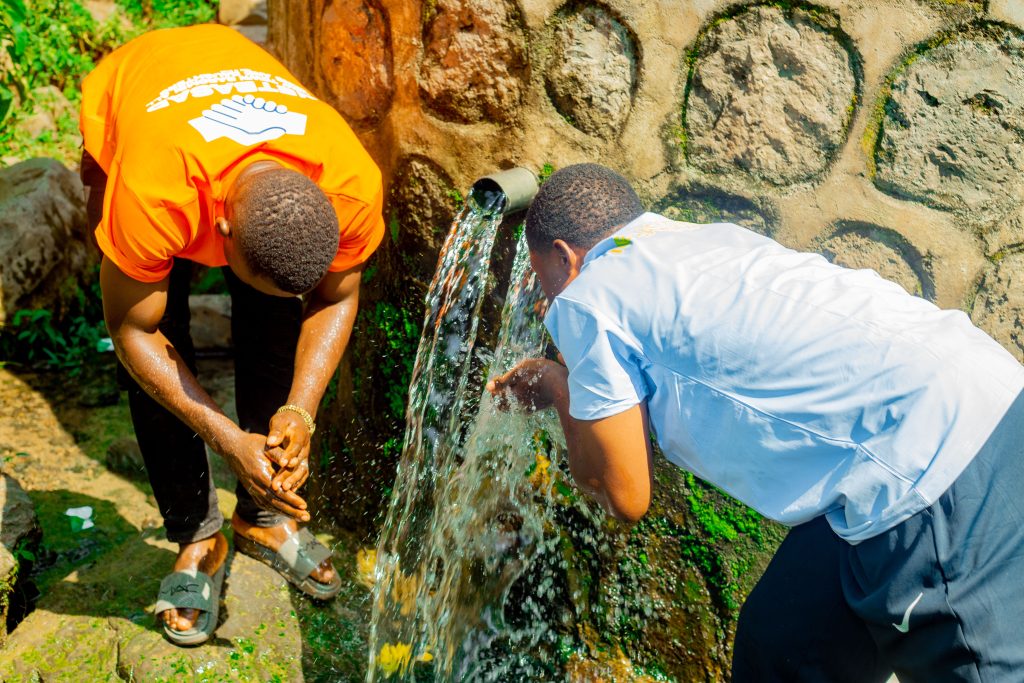
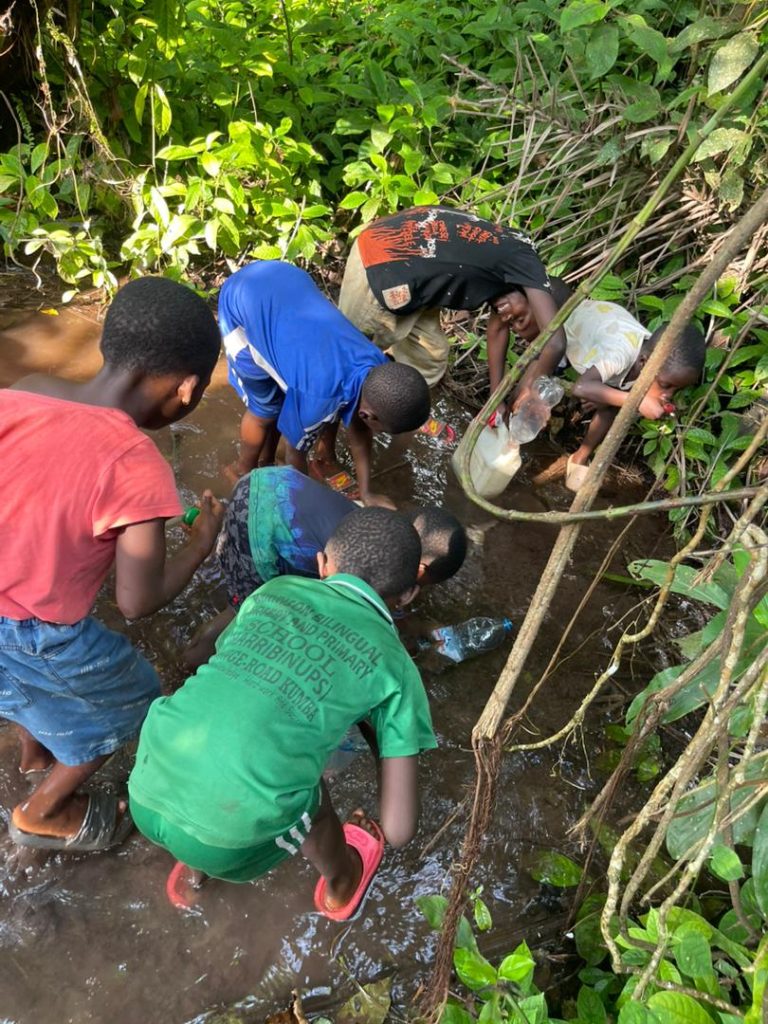
There is no pipe-borne water
Only one government building exists — the Government Primary School, which is in a deplorable condition and has remained unattended to even before the Anglophone Crisis.
The village survives mainly through self-help efforts and community initiatives, as government intervention is minimal.
The government rewards localities that actively support elections, so New Town Barombi has never been deemed “worthy of appreciation” because it has not contributed significantly to electoral statistics.
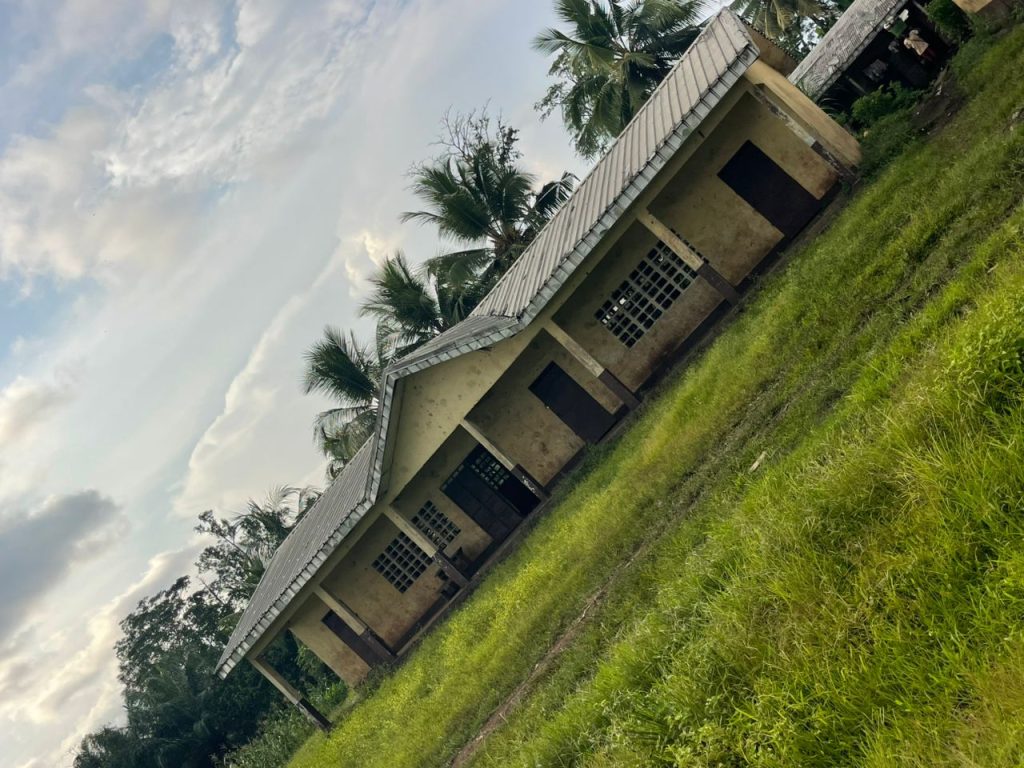
The only existing government site in New Town Barombi is the government primary school, and even that structure is in an extremely dilapidated state. The condition of the school was already poor even before the Anglophone crisis, and the situation has worsened due to neglect. Leaking roofs, cracked walls, insufficient benches, and a lack of learning materials have created a discouraging environment for young learners. Some pupils sit on cement floors or blocks during lessons. For a community striving to uplift itself, this is not just a disappointment—it is a barrier to progress.
1. Limited Political Representation and Influence
New Town Barombi lacks active political elites who can advocate for its needs at the council or government level. Other neighboring villages have councilors and elites who speak for them, so they are prioritized when government projects are allocated.
For example:
There were plans for an MTN network antenna to be built on New Town Barombi’s reserve hill.
The project was diverted to Bai Panya, a village with stronger political representation.
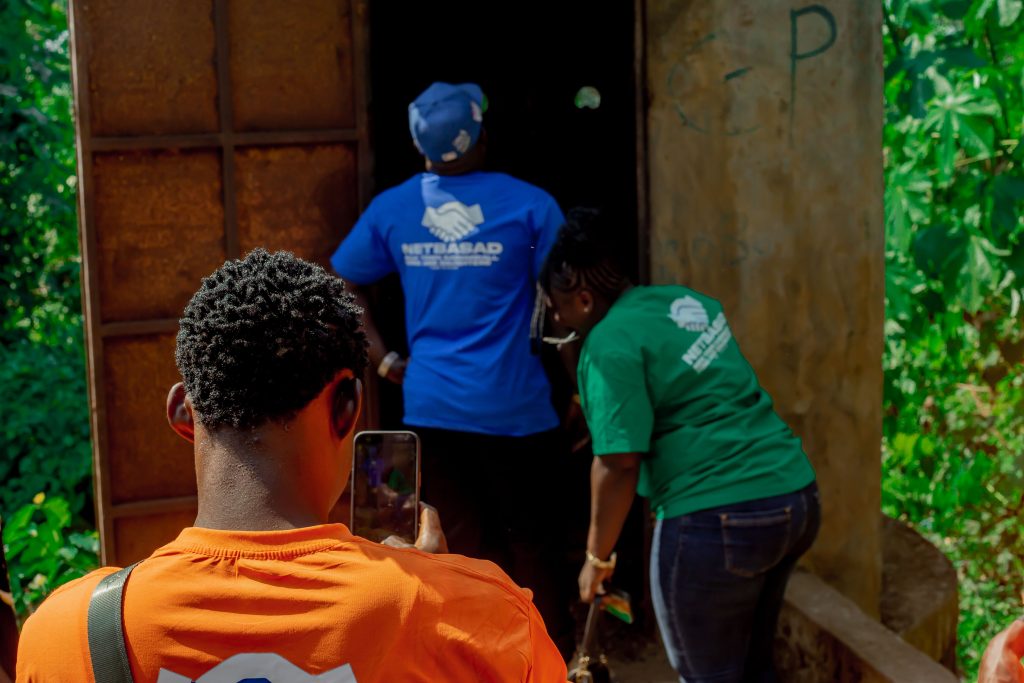
Similarly, the only councilor to ever represent New Town Barombi — Mr. Jacob Tata — managed to secure two classroom structures and two toilets for the primary school. Since leaving the council, the village has had no representation, leading to increasing neglect.
2. Ethnic Plurality Without a Dominant Indigenous Group
New Town Barombi is made up of different ethnic groups such as:
Oroko, Moghamo, Wum, Bakossi, Kom, Mbengwi, Fang, and others.
While diversity is a strength socially, it has hindered political consolidation. Unlike Kotto Barombi, where most residents share a common ancestral identity and claim indigenous status, New Town Barombi has no unified indigenous political base to push for recognition.
This makes it easy for the village to be overlooked when decisions are made at council or divisional levels.
3. Lack of Recognizable Geographical or Economic Features
Villages with unique geographical or economic assets attract more government attention.
For example:
Kotto Barombi has the Barombi Lake, a significant natural landmark.
Bai Panya hosts the MTN communication mast.
New Town Barombi, lacking such features, is not considered strategic or “profitable” in the eyes of decision-makers. Before the Anglophone Crisis, there were discussions about carving a new subdivision from Mbonge, and Kotto Barombi was favored because of its geographical significance.
4. Limited Participation in Elections and Politics
Historically, the people of New Town Barombi showed little interest in political participation. Voter registration was extremely low, and during elections, most residents hesitated to engage in municipal, parliamentary, or presidential processes.
Our vision is to transform New Town Barombi into a fully recognized, self-sustained, and empowered community where every resident has access to opportunities, basic social amenities, and a dignified standard of living.
We believe the greatest strength of New Town Barombi lies in its people. Every project starts with the community and ends with the community. Transparency We uphold accountability in all processes—from advocacy to resource management—ensuring trust among partners, donors, and residents.
Our mission is to build a united, recognized, and progressive community where every resident — regardless of origin or ethnic background — has access to equal opportunities and essential social amenities.
We strive to promote education, agricultural development, and community-driven initiatives while advocating for the administrative recognition of New Town Barombi as an official locality.